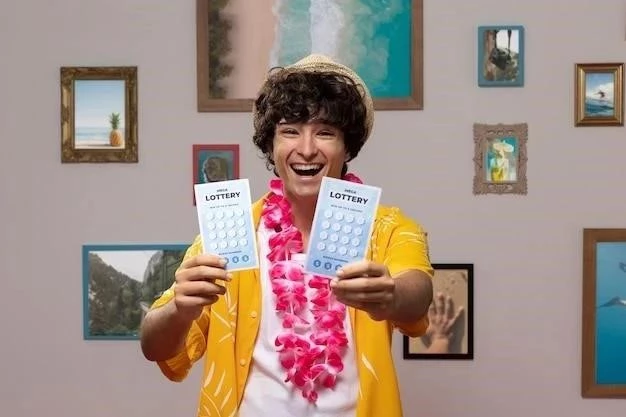
Where to Find Lottery Tickets
April 21, 2026
Abol Betting Ante-Post and All Bets Off Explained
April 22, 2026
The allure of a mega jackpot is undeniable. Dreams of financial freedom, luxury, and a life without worry dance in the heads of millions as they purchase their lottery tickets. The promise of an instant, life-altering fortune fuels a pervasive fascination with ‘prediction’ – the deeply human desire that one might somehow divine the winning numbers before they are drawn. But what truth, if any, lies behind the captivating concept of mega jackpot prediction in the realm of high-stakes lotteries?
The Mathematical Reality: Pure Randomness and Improbable Odds
At its core, a lottery is fundamentally a game of pure chance. Each individual draw is an independent event, meaning the outcome of previous draws has absolutely no bearing or influence on the outcome of future draws. Lottery machines are meticulously designed and regularly audited to ensure maximum randomness, employing sophisticated physical mechanisms (such as air jets vigorously tumbling numbered balls) or certified cryptographically secure random number generators (RNGs) for digital lotteries. The intrinsic probability of any specific number being drawn remains precisely constant for every single draw, regardless of how frequently or infrequently it may have appeared in the past.
Statistically, the odds of winning a mega jackpot are astronomically high, often stretching into hundreds of millions to one for many major international lotteries. This staggering improbability means that picking numbers based on any perceived ‘system’ – whether birthdays, sequential patterns, or supposedly ‘lucky’ numbers – does not fundamentally improve your statistical probability of winning. Your chances remain infinitesimally small and identical with any chosen combination.
Common (and Mathematically Flawed) Prediction Methods
Despite the incontrovertible mathematical realities, various persistent methods and beliefs concerning lottery prediction continue to captivate enthusiasts:
- Hot and Cold Numbers: This popular but misguided method involves meticulously analyzing past draw results, identifying numbers that appear frequently (‘hot’) or infrequently (‘cold’), and then choosing them based on a flawed belief that patterns will eventually emerge or a statistical ‘balance’ will be restored.
- Past Draw Analysis Software: Numerous software programs, often marketed with compelling claims, purport to analyze extensive historical data, identify hidden trends, and subsequently generate ‘likely’ winning numbers. However, these are invariably based on the erroneous premise of non-randomness within the lottery system.
- Numerology and Astrology: Some individuals delve into mystical interpretations, firmly believing that personal dates, significant names, or specific astrological alignments can somehow reveal auspicious winning numbers.
- Dream Interpretation: The intriguing idea that vivid dreams can provide prophetic clues to future events, including elusive lottery numbers, remains a deeply ingrained cultural belief in many parts of the world.
- “Secret” Formulas or Algorithms: Frequently sold as exclusive, proprietary systems, these typically involve complex mathematical calculations predicated on historical data, which, as firmly established, bears absolutely no relevance to future, truly random draws.
Why These ‘Prediction’ Methods Invariably Fail
The fundamental and insurmountable flaw in all ‘prediction’ methods for lotteries stems directly from the very nature of truly random events. A lottery draw is perfectly analogous to flipping a fair coin repeatedly: past results (whether heads or tails) exert zero influence on the outcome of the very next flip. If a particular number hasn’t appeared in, say, 50 consecutive draws, its probability of appearing in the 51st draw is precisely the same as that of any other number. There is simply no ‘memory’ embedded within the lottery machine, nor is there any discernible underlying pattern waiting to be cleverly discovered by either human intuition or advanced computer analysis. The system is designed to be unpredictable, and it excels at it.
The human brain is inherently wired to seek and identify patterns, even in situations where none genuinely exist. This pervasive cognitive bias can unfortunately lead individuals to mistakenly believe they’ve uncovered a winning ‘system’, particularly when a mere coincidence occurs. However, such instances are invariably just statistically insignificant outliers within a vast, truly random sea of outcomes.
What Players Can Do (Ethical and Realistic Approaches)
While genuine prediction remains an impossibility, players can nonetheless approach the lottery strategically and responsibly within its inherent random framework:
- Understand the True Odds: Cultivate a full and realistic awareness of the minuscule probability of winning the jackpot. This crucial understanding helps manage expectations effectively and promotes responsible, healthy play habits.
- Play Responsibly: Always treat lottery ticket purchases as a form of light entertainment with a very small, highly non-guaranteed return. Critically, never, ever spend more money than you can comfortably afford to lose without any financial distress.
- Consider Joining a Syndicate: Pooling financial resources with trusted friends, family, or colleagues to collectively buy multiple tickets statistically increases the group’s overall chance of securing a win (though any potential prize is, of course, shared proportionally among members).
- Pick Unique Number Combinations: While this strategy does not increase your chance of actually winning, consciously choosing number combinations not commonly picked by others (e.g., actively avoiding common birthdays, sequential numbers like 1-2-3-4-5-6, or simple patterns) can potentially increase your take-home prize significantly by reducing the likelihood of sharing the jackpot with numerous other winners.
- Embrace the Dream Responsibly: The lottery serves as a harmless form of escapism for many. Embrace the enjoyable fantasy of imagining what you’d do with the winnings, but always keep your feet firmly on the ground regarding the actual, highly improbable odds.
The enduring quest for mega jackpot prediction is, ultimately, a chase after a powerful but elusive illusion. While the deeply human desire to control one’s destiny and secure unimaginable wealth is profound and understandable, the lottery remains, unequivocally, a game of pure, unadulterated chance. The true ‘strategy’ lies not in futilely attempting to predict the inherently unpredictable, but rather in understanding the game’s fundamental mechanics, playing responsibly within your means, and genuinely enjoying the innocent thrill of the mere possibility. The real magic and universal appeal of the mega jackpot lie precisely in its absolute randomness – the democratic idea that anyone, anywhere, could theoretically be the next incredibly lucky winner, entirely without any special insight, predictive power, or ‘secret’ system.