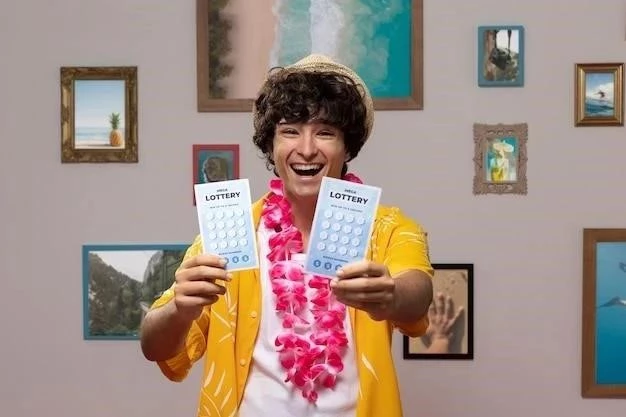
The Billion-Dollar Lottery Dream Odds and Reality
May 3, 2026
Powerball Jackpot Today
May 4, 2026
Texas, a state known for its vastness and independent spirit, maintains one of the most restrictive legal frameworks for gambling in the United States․ Despite its economic power and large population, the Lone Star State has largely resisted the expansion of various forms of betting, creating a unique and often debated landscape․
Current Legal Status
For most Texans, legal gambling options are limited:
- Texas Lottery: Widely accessible, offering scratch-offs and draw games․ Established 1991, proceeds primarily benefit public education․
- Pari-mutuel Wagering: Legal on horse racing (e․g․, Lone Star Park, Sam Houston Race Park)․ Greyhound racing has largely declined․
- Charitable Bingo & Raffles: Permitted for qualified non-profit organizations to raise funds, regulated by the Texas Lottery Commission․
- Tribal Gaming: The Kickapoo Traditional Tribe of Texas operates Lucky Eagle Casino Hotel in Eagle Pass․ This Class II facility offers bingo-style electronic games, limited compared to Class III casinos․
Prohibited Activities
Most commercial gambling, including casino gambling (slots, table games) and sports betting, remains illegal in Texas․ This prohibition extends to online versions․ Texans often travel to neighboring states like Louisiana, Oklahoma, and New Mexico for these options, or resort to unregulated markets․
Arguments for Legalization
Advocates highlight key benefits:
- Revenue Generation: Taxing casino gambling and sports betting could generate billions for state coffers (education, infrastructure, tax relief)․
- Job Creation: New casinos and sportsbooks would create thousands of jobs (hospitality, management, security)․
- Economic Development: Integrated resorts could attract tourism and investment․
- Keeping Money in Texas: Legalization would retain funds currently flowing out of state or into unregulated markets․
- Consumer Protection: A regulated market offers safeguards against fraud and promotes responsible gambling․
Arguments Against Legalization
Opponents raise significant concerns:
- Social Costs: Fears of increased problem gambling, addiction, crime, and bankruptcies․
- Moral & Religious Objections: Gambling seen as immoral and harmful to societal values by many conservative and religious groups․
- Impact on Existing Businesses: Concerns that large casinos could negatively affect local businesses․
- Political Resistance: Strong conservative leanings and the need for a constitutional amendment (two-thirds legislative vote) present major hurdles․
The Road Ahead
Despite numerous legislative efforts, gambling expansion has consistently failed to gain traction․ Major players, like Las Vegas Sands, have invested heavily in lobbying for destination resorts․ Professional sports teams also support sports betting․ The debate over betting in Texas is far from over․ As more states expand gambling, pressure on Texas to reconsider will intensify․ However, given deep-seated opposition and legislative hurdles, significant changes are expected to be slow, making the future of betting in the Lone Star State a subject of ongoing contention․