
Demystifying Share Slots and Investment Opportunities on YONO
May 7, 2026
The Ultimate Guide to 24 Betting Apps
May 8, 2026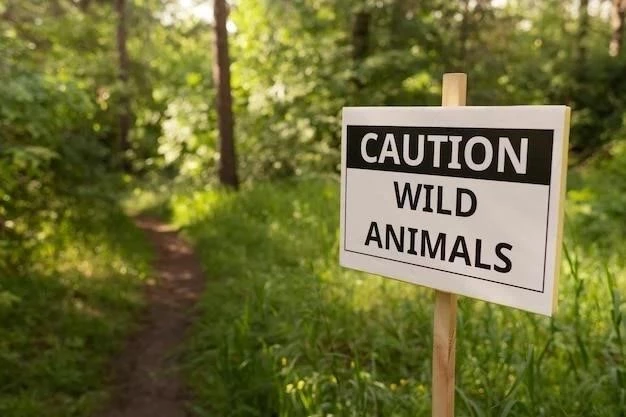
The phrase ‘betting zoo’ immediately evokes gambling intertwined with animals․ Unlike traditional zoos focused on conservation and education, a ‘betting zoo’ would focus on organized wagering on animal-related events․ This concept, while intriguing to some, faces significant ethical, practical, and regulatory challenges․ It forces us to confront humanity’s long history with both gambling and animal welfare, raising critical questions about exploitation, entertainment, and ethical engagement with the animal kingdom․
Defining the ‘Betting Zoo’
A ‘betting zoo’ isn’t for animal display or tricks․ Instead, it implies a venue or system where specific animal behaviors, races, or interactions become the subjects of wagers․ This could range from seemingly innocuous events like a snail race or predicting which animal in an enclosure will approach a food source first, to more overtly competitive and ethically dubious scenarios․ Crucially, the animals involved would participate in a human-driven gambling enterprise, not for their intrinsic value or educational purposes․ This distinction is vital for understanding its unique ethical quagmire․
A Glimpse into History: Humanity’s Gambling & Animal Past
Combining animals with gambling is ancient․ Horse racing, for instance, with millennia-old roots, remains a globally popular betting industry․ Greyhound racing, pigeon racing, and historically condemned practices like cockfighting, illustrate a long tradition of using animals for competitive entertainment and financial gain․ While these historical precedents show humanity’s capacity to both revere and exploit animals, modern sensibilities, driven by animal welfare science, increasingly challenge such exploitation, especially for sentient beings used purely for human amusement or profit․
Ethical Considerations: A Moral Minefield
The ‘betting zoo’ faces significant ethical hurdles, creating a moral minefield:
- Animal Welfare: The paramount concern is the well-being of the animals․ Would participation in betting events cause stress, anxiety, or physical harm? Coercing animals against natural instincts for gambling risks unnatural conditions, excessive handling, and prioritizing performance over inherent welfare․
- Exploitation vs․ Enrichment: While some might argue certain activities could be framed as ‘enrichment’ for animals, the underlying motive of a ‘betting zoo’ is profit from wagering․ This fundamentally shifts the relationship from one of care and conservation to one of utility․ Animals risk becoming mere commodities for human gain․
- Gambling Ethics: Beyond animal welfare, the promotion of gambling itself carries ethical weight․ Concerns about addiction, irresponsible gambling, and the potential for fraud or manipulation are ever-present․ Novel forms of betting, especially those involving live animals, could exacerbate these issues․
- Public Perception: In an era of heightened animal rights awareness, public acceptance of a ‘betting zoo’ would likely be minimal․ Activist groups and the general public would almost certainly view such an establishment as unethical and exploitative, leading to significant backlash․
The Regulatory Maze
A ‘betting zoo’ would face an intricate legal and regulatory web․ Existing animal welfare laws in most developed nations protect animals from cruelty and exploitation․ Licensing for such a facility would require rigorous scrutiny, proving welfare standards are not just met, but exceeded, which inherently conflicts with the profit motive of betting․ Furthermore, gambling regulations are strict and vary widely by jurisdiction, covering everything from licensing and responsible gambling measures to fraud prevention․ Navigating these overlapping legal frameworks would be a Herculean task, with the ethical objections likely proving insurmountable․
Potential Future & Alternatives: Virtual ‘Betting Zoos’?
Given the immense ethical and practical barriers, a traditional, physical ‘betting zoo’ seems highly improbable in the modern world․ However, the concept might find a less controversial, albeit less tangible, manifestation in the digital realm․ Virtual ‘betting zoos’ could utilize advanced simulations, artificial intelligence, or even existing wildlife footage (without direct animal manipulation) to create betting opportunities․ Users could wager on predicted outcomes of simulated animal behaviors or historical events, entirely removing live animals from direct exploitation․ This virtual approach would address the primary ethical concerns regarding animal welfare, transforming the concept into a form of interactive digital entertainment rather than exploitation․ While losing the ‘live’ appeal, it offers a harm-free pathway․
The ‘betting zoo’ represents a fascinating, yet ultimately problematic, intersection of human entertainment, gambling, and our relationship with the animal kingdom․ While the allure of novelty and the thrill of the wager might initially draw interest, profound ethical considerations regarding animal welfare and exploitation make a physical ‘betting zoo’ largely untenable in contemporary society․ Modern values increasingly prioritize the intrinsic value and well-being of animals over their utility for human amusement or profit․ The concept stands as a stark reminder of humanity’s evolving moral compass, suggesting that while our past might be replete with instances of animal-based gambling, our future demands a more compassionate and responsible approach to sentient life․