The Jackpot Zone
February 15, 2026
Understanding Lottery Quad Trigger Charts
February 16, 2026
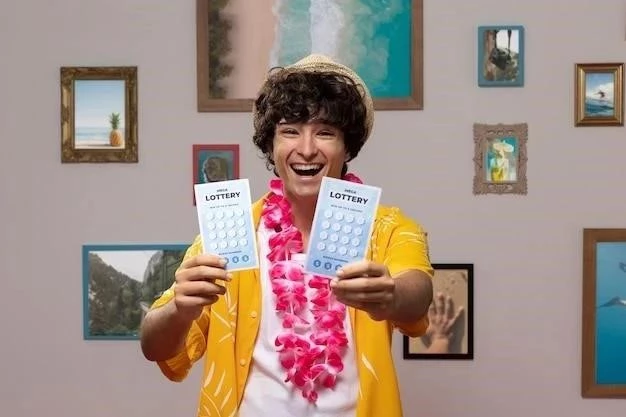
The prospect of winning an astronomical sum, such as a 900 million dollar jackpot, captivates the imagination of millions worldwide. It transforms ordinary conversations into vibrant discussions about unimaginable wealth, instant freedom, and the ultimate escape from financial woes. Such a colossal figure isn’t just a number; it’s a symbol of hope, a catalyst for dreams, and a brief, shared fantasy that unites people across diverse backgrounds in the pursuit of life-altering fortune. When lotteries like Powerball or Mega Millions reach these dizzying heights, the excitement is palpable, truly drawing millions into a shared world of ‘what if’.
What Constitutes a “900 Million Jackpot”?
A “900 million jackpot” typically refers to the advertised annuity value of a major multi-state lottery prize, like those offered by Mega Millions or Powerball in the United States. This advertised sum represents the total payout if the winner chooses to receive their winnings in annual installments over a period, usually 29 or 30 years. However, most winners opt for the immediate lump-sum cash option, which is significantly lower than the advertised annuity. For a 900 million annuity, the cash value could be in the range of 400-500 million dollars before taxes, a substantial sum that still promises life-changing wealth and immediate financial security for generations.
The Frenzy and the Fear of Missing Out (FOMO)
As a jackpot climbs towards the 900 million mark, a collective frenzy takes hold. News outlets broadcast the growing total, social media buzzes with speculation, and lines form at lottery retailers. The “Fear Of Missing Out” (FOMO) becomes a powerful motivator, drawing in both regular players and those who rarely buy tickets. Office pools become common, fostering camaraderie and shared dreams. Each ticket purchased represents a tiny thread connecting the buyer to a grand, collective hope – the chance to defy astronomical odds and rewrite their financial destiny overnight. It’s a profound cultural event that transcends typical entertainment forms.
Odds and Realities: A Sobering Look
While the dream is exhilarating, the mathematical reality is sobering. The odds of winning a major lottery jackpot, such as one reaching 900 million, are astronomically low – typically around 1 in 292 million for Powerball and 1 in 302 million for Mega Millions. To put this into perspective, you are far more likely to be struck by lightning, hit by an asteroid, or become a billionaire through traditional means. These odds underscore that playing the lottery should always be viewed as entertainment, not a financial strategy. Responsible play, understanding the slim chances, and setting a budget are crucial to prevent the dream from becoming a financial burden or leading to reckless spending habits.
The Winner’s Journey: From Shock to Strategy
Should the impossible happen and someone holds the winning ticket, their journey immediately transforms from hopeful dreaming to strategic planning. The initial shock is often followed by a period of intense privacy and discretion. The first critical step is to secure the ticket and consult a team of trusted professionals: an attorney, a financial advisor, and an accountant. These experts help navigate the complex decisions ahead, including whether to take the lump sum or annuity option, and how to manage the significant tax implications. Depending on state laws, winners may also decide whether to claim their prize anonymously or publicly, a choice with profound implications for their future.
Life After Winning: The Challenges and Opportunities
Winning a mega-jackpot, while seemingly a solution to all problems, often introduces a new set of challenges. Stories of “lottery curses” – winners who face bankruptcy, legal troubles, or strained relationships – are frequently sensationalized. While not universal, these cautionary tales highlight the importance of careful planning. Suddenly managing immense wealth requires discipline, a robust financial strategy, and often, a new approach to personal relationships. Opportunities, however, are boundless: philanthropy, starting new businesses, securing generational wealth, and pursuing long-held passions. The key lies in informed decisions and a strong support system to avoid common pitfalls and leverage the fortune responsibly, ensuring long-term prosperity and well-being.
The Economic Impact of Mega Jackpots
Beyond the individual winner, a 900 million jackpot has broader economic implications. State lotteries generate substantial revenue, often earmarked for public services such as education, infrastructure, or environmental programs. Increased ticket sales during jackpot surges mean a significant boost in these funds. Retailers selling tickets also benefit from increased foot traffic and commissions. The eventual payout, whether lump sum or annuity, injects massive capital into the economy, potentially stimulating investments, consumer spending, and job creation in various sectors, from financial services to luxury goods and real estate.
A jackpot of 900 million dollars represents more than just a colossal sum; it embodies a collective human fascination with luck, destiny, and the power of a single chance. It fuels conversations, drives dreams, uniting a nation in shared anticipation. While odds remain staggeringly low, the occasional creation of a new multi-millionaire serves as a potent reminder of the lottery’s unique place in culture. It’s a game of chance, entertainment, and for a select few, the gateway to an entirely new existence – a testament to the enduring allure of the ultimate financial windfall.